The starting point
Himalayan Yatra is a tour operator based in Guwahati that runs Northeast India circuits across Meghalaya, Sikkim, Arunachal, and Nagaland. Small team, owner-operator, very strong on-the-ground supplier network. Excellent reviews from past travellers.
When they came to us, the business looked healthy from the outside. Bookings were growing 20-30% year-over-year. Inside the P&L, it was a different story. 82% of all bookings were coming through MakeMyTrip, Booking.com, and a few smaller OTAs, and those platforms were taking a 19-22% commission per booking. The owner's words on the kickoff call: "We are working harder every year and our margin is going down."
"We are working harder every year and our margin is going down. We can't keep doing this."
What the audit found
- The website ranked for almost zero non-branded keywords. Even "Meghalaya 5 day tour package", a query they had perfect content for, went to OTAs and aggregator listicles.
- The booking flow on their own site was broken in three places. The enquiry form on mobile didn't submit on iOS Safari, the WhatsApp button used a non-business number, and prices on the homepage were 18 months out of date.
- They had a Google Business Profile but no posts in 14 months. Reviews were not being responded to.
- No CRM. Enquiries came through email, WhatsApp, IG DMs, and a phone number. Nothing was tracked. The owner estimated they were losing roughly 1 enquiry per day to "I forgot to follow up".
- Google Ads ran sporadically, untracked, with no conversion goals set. They had spent ₹4.2L in the previous year with no idea what came back.
What we did
We scoped a three-service bundle (SEO + Paid + CRM) running for 12 months with monthly check-ins and a quarterly business review. Web development was descoped to "we'll fix specific pages as needed" rather than a full rebuild. Their site was 80% fine; what was broken was specific and fixable.
SEO: the slow compound
- Keyword universe of 1,200+ destination, itinerary and "how to plan" queries across the seven Northeast states
- 50 priority keywords tracked daily · 40 of them now ranking page-1 (started at 4)
- 16 long-form destination guides written by writers who'd actually travelled the regions, each 1,800 to 2,400 words, with proper internal linking
- Schema markup: TouristAttraction, FAQ, Review, Breadcrumb. Properly validated. Travel-pack rich results showing on key queries.
- Fortnightly Google Business Profile posts. Review response SLA: 24 hrs. GBP views went from 1,800/month to 14,300/month.
- 9 editorial backlinks landed between months 4 and 11: Tripoto, LBB, Outlook Traveller, and two long-form pieces in Northeast regional press.
Paid Media: the fast compound
- Restructured the Google Ads account from "everything in one campaign" to proper match-type discipline, audience layers, and three intent levels
- Launched Meta Advantage+ targeting custom intent audiences from Booking.com, MMT, Agoda visit signals
- Built two dedicated landing pages (Meghalaya / Sikkim itineraries) and ran continuous A/B tests on headlines, hero, and form length
- Server-side conversion tracking via GTM Server-Side so iOS 14+ and ad-blocker users were still counted
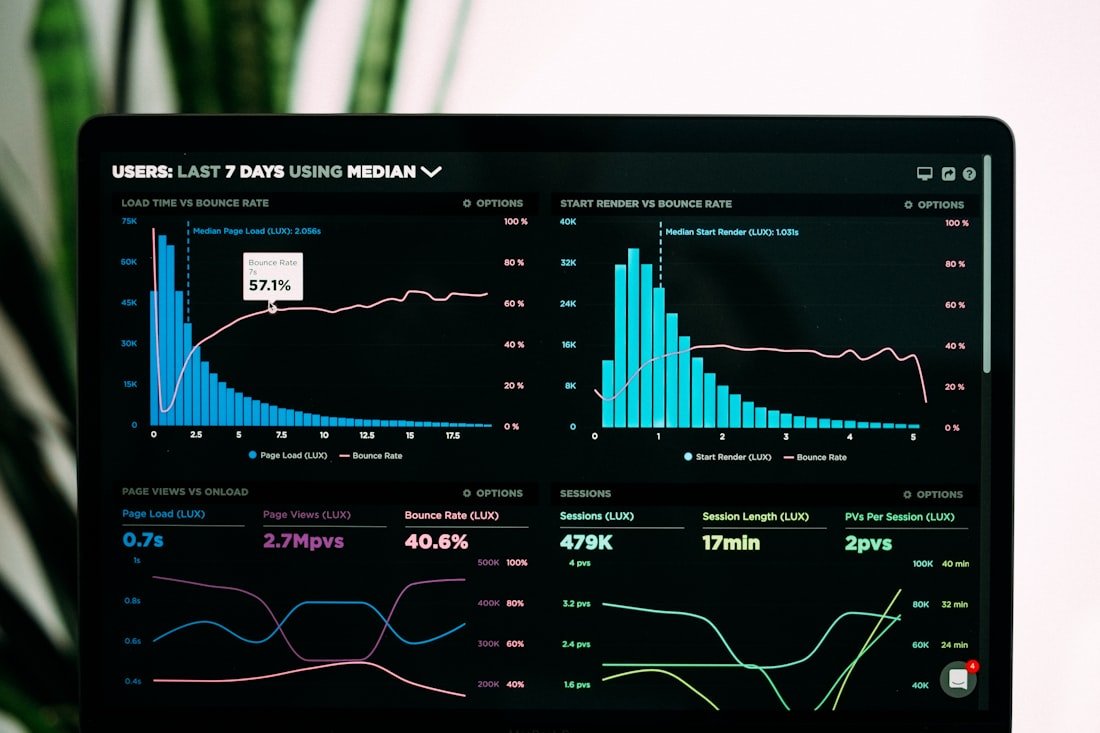
- Offline conversion uploads tied bookings (not just enquiries) back to the right ad clicks. This single change moved ROAS from 2.1× to 6.2× over 90 days.
CRM: the leak fix
- Implemented Zoho CRM with custom pipelines for enquiry, quote, booking, and repeat stages
- Unified inboxes: WhatsApp Business API, IG DMs, FB Messenger, MMT supplier inbox, and email, all in one workspace
- Lead-routing rules: city-of-origin and trip-type both fed into auto-assignment
- 15-minute first-response SLA enforced via Slack escalation. Lead-to-enquiry conversion went from ~28% to 51%.
- Adoption took longer than we'd planned. The owner and one agent were on board fast, two others didn't really start using it until month 4. Worth flagging because this is the part most CRM rollouts under-budget for.



What almost broke
Two things, both worth saying because they happen in every engagement at some point.
Month 4: paid spend pacing went off-target. We were tracking conversions but underweighting that bookings have a 9 to 21 day decision window. We were pausing campaigns that "looked underperforming" at day 7 when their true ROAS was being decided at day 14. Once we extended the attribution window and updated the optimisation goal, the algorithm settled and the next 90 days were the best the account had ever performed.
Month 7: content publishing slowed. The writer we were using moved to a different role. We tried two replacements quickly, and both produced content that read fine but didn't have local depth. We slowed publishing for 6 weeks while we onboarded a Guwahati-based writer who'd done a previous engagement with a Sikkim brand. Output recovered in month 9 and the new writer is now full-time on the account.
"The OTAs aren't a problem anymore. They're a customer-acquisition channel I choose to use when I want to fill a slow week, not the only thing keeping me alive."
Where things stand now
14 months in. The engagement continues, with a slightly reduced scope (we dropped one paid sub-channel that wasn't pulling its weight) and a new add-on: a small content-creator partnership programme for the Arunachal circuit, where a 9k-follower travel creator now generates 4 to 6 enquiries a month on autopilot.
The numbers at the top of this page are real. They were also not linear. Months 1 to 3 looked like nothing was working, months 5 to 9 felt like everything compounded at once, and months 10 onward stabilised into a predictable rhythm. That curve is normal. Most travel-vertical SEO follows it.
What we'd do differently next time
- Budget more for CRM adoption training: at least one full day per agent in the first 30 days, with a "champion" assigned internally
- Set realistic content publishing expectations earlier. Local-depth writers are scarce, and rushing replacements produces forgettable content
- Run a 30-day "no-ad-changes" window after major tracking shifts, instead of trying to optimise simultaneously